04 April 2011

Being Prepared for Emergencies

Our hearts and thoughts are with the citizens of Japan dealing with the effects of the earthquake and tsunami and potential radiation hazards. As backpackers, we have put more than the average amount of thought into what one needs in an emergency or ‘survival’ situation, and how best to pack and carry that gear in case walking with that gear is necessary. Having a pack with a tarp, tent, or hammock, a sleeping bag, a stove, and a method of water purification is a huge step ahead of the average homeowner or apartment dweller.

One thing to consider is what emergencies one is likely to face: do you live in a fault zone, in a tornado-prone area, hurricanes, or snow? Our office is in an area that has an inactive fault, is tornado-prone, suffers occasional flooding (a recent flood several years ago damaged some nearby businesses), and we’ve had some power outages over harsher winter blizzards. If you’re in an area that gets cold, cold weather gear is essential. In a hot weather area, sunscreen and extra drinking water are key.

A good place to start when considering what you might need for a home emergency kit is to visit a site like Ready.gov, which includes lists of equipment and tips on how to prepare for likely emergencies. I took the basic recommended kit and looked at what was already in my normal backpacking kit, then I put the missing items in boldface:

  • Water, one gallon of water per person per day for at least three days, for drinking and sanitation
  • Food, at least a three-day supply of non-perishable food
  • Battery-powered or hand crank radio and a NOAA Weather Radio with tone alert and extra batteries for both
  • Flashlight and extra batteries
  • First aid kit
  • Whistle to signal for help
  • Dust mask, to help filter contaminated air and plastic sheeting and duct tape to shelter-in-place
  • Moist towelettes, garbage bags and plastic ties for personal sanitation
  • Wrench or pliers to turn off utilities
  • Can opener for food (if kit contains canned food)
  • Local maps
  • Cell phone with chargers, inverter or solar charger

An often-recommended tip is to keep emergency supplies in a new, large plastic trash can to keep supplies dry and accessible in event of flooding. I personally prefer to keep my supplies in hiking packs and use dry bags to keep sensitive items dry inside the pack, since disasters like Katrina show that sheltering in place with a heavy, immobile kit is sometimes not optimal given the type of emergency. If I had to travel to and shelter in a football stadium, for example, I’d definitely prefer to have my kit easily carried on my back. If it’s best to shelter in place at home, the packs will still work in this capacity as well. Gear that is useful only if sheltering in place can simply be stowed near the packs.

This list didn’t mention a shelter or sleeping bag and stove, but I can think of loads of scenarios where they would be indispensable, so I’ll keep them in my pack. A stove can be used to boil drinking water should other methods or supplies run out. An obvious approach is to keep your backpacking gear together and ready to go for hiking and camping, and simply keep this extra emergency gear in a stuff sack or dry bag, so it can be shoved into the pack quickly when needed. If you’re going to ditch the sleeping bag, you should at the very least consider carrying something like the Adventure Medical Bivvy Bag.

If your smartphone is part of your survival gear, you might want to check into a solar panel charging system from Goal Zero.

Other things to consider adding are medications, pet needs, games or toys for children, vital documents and photos (or preferably digital copies on a USB stick or SD card. Have fun, stay safe, and remember: DON’T PANIC!

19 March 2011

Prius Camping: A Poor Man’s Winnebago

IMG_20110319_165851

This past week, the crew at Sheepleg packed up the company Prius to try our hand at something curious we’d learned about on the Prius forums normally dedicated to discussions of how to eek out ever-more miles out of the hybrid cars. It’s not our usual lightweight backpacking fare, I guess you could even put it more into the ‘glamping’ or ‘glamour camping’ side of the equation. The hatchback cargo area is fairly roomy for this size of car, and by folding down the front seats and then the rear seats, you can accommodate a couple of inflatable mats and sleeping bags, enough room for two adults and possibly a small child, which was perfect for our mission.

IMG_20110319_184237

So, what’s the big deal, you might be asking, I can do this in the back of my old Wagon Queen Family Truckster, right? Well, the cool thing about using a Prius (and the element of glamour it bestows) is that by leaving it powered on, with the parking brake on, the car will run the thermostat controlled AC or heat using battery power, and will start and shut the engine down automatically at intervals to keep the batteries charged. A typical night will be accomodated with less than half a gallon of gas, which is reasonable for an occasional outing. Do not try this idling your Suburban all night, please.

 IMG_20110319_190936

To provide a little privacy while camping in a glass bubble, we purchased a California King Tyvek cover, which is like a car cover that only covers the windows and top, leaving the body panels and, important for our experiment, the air vents below the front windshield, unobstructed. Most of the people on the forums suggested using plastic boxes to make a platform on the front seats to extend the cargo space for sleeping on, but we found it easier to sleep with our heads toward the aft end of the car, letting the foot end of our air mattresses hang over the front of the cargo deck slightly; this was quite comfortable, especially for backpackers used to sleeping on a torso-only mat on the cold hard ground. Taller campers might look into that plastic box thing.

IMG_20110319_184703

We definitely prefer getting out into the backcountry in a tent or under a tarp, but if you’re looking to get some extra camping on the shoulder seasons when the electric heat will be welcome, or if you’re wanting a comfortable camping solution on a road trip (no sleep…till Brooklyn) or a fishing trip at a lake park, this is definitely a viable option.

24 February 2011

Digging into Camping and Backpacking Meals

We’ve recently added some new utensils to our lineup of backpacking gear:

The Vargo titanium spork incorporates a handy wiregate clip at the end that allows it to hood onto pack webbing or attach to other cookware:

titeaglespork

The Vargo stainless steel ‘Scork’ is a unique spork design that includes a can opener in the end of the handle, handy for those of you who insist on carrying a tin of beans into the backcountry.

scork

The Brunton My-Ti titanium folding spork has a folding wireframe handle that locks in place, making it much more compact than straight-handle implements:

mytispork

For those of you who cast a doubtful eye on sporks, there’s a more traditional My-Ti Fork and Spoon Set as well:

mytiforkspoon

21 February 2011

How Nielsen-Kellerman Gives Back


NK

Here at Sheepleg we want to do all we can to encourage good environmental stewardship wherever we can in the conduct of our business, so occasionally, we like to highlight a partner that’s taking a positive lead in the right direction. On our product pages, companies that Give Back have a Give Back logo that links to a detailed description of what that company does to Give Back.

logos-38S

Nielsen-Kellerman is a company that produces outdoor electronic instruments such as the Kestrel 1000 Pocket Wind-meter, a meter crucial for hang-glider and light aircraft enthusiasts, climbers, and expedition teams around the world. The company has a commendable approach dedicated to reducing its environmental impact by triple insulating its facility, using high efficiency T5 lighting (which can reduce lighting energy consumption by 65%), and a policy of powering down equipment and lighting not in use.  Nielsen-Kellerman encourages the return of damaged or discarded products for recycling and reuse of durable components with a customer care discount. Nielsen-Kellerman uses a paperless office software system, minimizes use of printed sales materials, and encourages employee use of public transportation with financial rewards, and has 20% employee participation in their carpooling program. In the future, Nielsen-Kellerman has plans to install solar roof-panels to generate half of the factory’s power needs.

Thanks Nielsen-Kellerman, for being environmentally proactive and Giving Back.

07 February 2011

Photon Microlights for a Light and Bright Outing


FM-LED-keychain-flashlight-4__93187_zoom

In a world where it’s possible to find $70 police flashlights that put out 120 lumens or more and require batteries that cost $5 a set, it’s good to know that one of the most practical lights for campsite use is lightweight, compact, and very affordable. If you’re not trying to blind perpetrators, but just need to find the snickers in your bear bag, an efficient, low power, bright enough light like the Photon is perfect. The Photon series of Microlights from LRI are made in the USA, and offer a remarkable set of features for such diminutive lights. With an included split ring, they easily attach to your keys, a neck chain or necklace, a beltloop or webbing strap. The basic Microlight I is the simplest of the trio, with a simple squeeze to light button; if you want the light to be on, you squeeze the button. Next up is the Microlight II, which adds an on-off switch in addition to the momentary squeeze button, allowing for hands-free use. The top of the line is the Photon Freedom Microlight, which has the on-off switch, momentary squeeze switch, adjustable intensity, and also comes with an alligator clip and a ball-socket mount that can clip to a hat brim, pocket, or pack strap, allowing for complete hands-free use. I personally wear mine on a dog tag chain and find that just clicking the light on and hanging down on my chest, it provides enough area light for typical campsite use, and because of this I no longer carry a headlamp for trips that don’t require night hiking.

26 January 2011

Hammock Camping: Hennessy Hammocks


Expedition 2.5 Hammock-2

Having what I consider my dialed-in lightweight backpacking system, I have to admit I’ve always been plagued with the curiosity about hammock camping. Realistically, it’s not the lightest weight solution, when compared to something as light as a silnylon or cuben fiber tarp and a down sleeping bag. But it does offer some very real benefits over sleeping on the ground.

First, you’re not sleeping on the ground. Depending on the terrain and weather, the ground can be uneven, muddy, rocky, and otherwise unforgiving; a hammock, provided you have a couple of trees to hang one from, allows you to transcend that problem by elevating your sleeping accommodations above any terrain.

Second, a hammock allows you to sleep with your sore tootsies elevated, which can be a boon to overworked feet needing some recovery time.  But don’t think you have to sleep curled up like a banana, either. By laying slightly diagonally in a hammock, you can actually lay fairly flat and get a great night’s sleep.

Third, it’s a great way to practice Leave No Trace camping, since you don’t have to disturb the ground to pitch a tent or a tarp.

Fourth, it’s a great way to get above all the critters and creepy crawlies that like to explore your ground tarp. I love nature, but if I can cut down on spiders in the mouth, that’s always a good thing to me.

This summer and fall I will be experimenting with a Hennessy Hammock and sharing my experiences with using it on the trail. The Hennessy Hammock is fully enclosed in mosquito netting on the top and includes a unique bottom entry system that seals with velcro automagically when you boost yourself up through the opening. A tarp suspended over the hammock keeps the rain out.

At Sheepleg, we carry two versions of the Hammock, the Expedition, and the Explorer Deluxe. The Expedition is for those under 6 feet tall, less than 250lbs, and the Explorer Deluxe is for those over 6 feet tall and supports 300lbs.

12 January 2011

Making the most of your Outdoor Gear Budget


You might think you'd never hear this from a business selling outdoor gear, but let's face it, getting together a complete backpacking kit can be a considerable investment, so let's consider how to best go about making decisions for gear. One thing I found difficult when putting together my gear was the tendency to concentrate on the super cool accessories at the expense of more vital gear. A common example? Getting several iterations of titanium spoon while not yet having a sleeping bag that doesn't have a Disney character on the front. What's the main problem with having this approach, after all, can't you just get gear over time, as you can afford it? Certainly, but consider the fact that while you can carry a regular tea spoon, you're not quite as likely to get into the outdoors with your futon mattress. Try to place a priority on your essential gear, like your pack, shelter, and sleeping bag, and that will allow you to spend more time outdoors, then you can concentrate on getting the creature comforts just right after you get more experience and learn what your actual needs are.

11 January 2011

More Water Filters at Sheepleg


A while back, we talked about the excellent light-weight, compact Frontier Pro water filter that attaches directly to bottles and hydration tubes.  It’s perfect for the solo hiker or backpacker, but continuing along a theme we’ve been spending some time considering gear that serves a couple or small family that’s out in the backcountry, and for many couples or small groups, other alternative water filter and purification methods may be more appropriate. We’ve recently added the Katadyn Hiker Pro pump filter, the Katadyn Pocket Microfilter, the SteriPEN Adventurer, and the FirstNeed XL water purifier to our store to provide a spectrum of options to suit your particular needs.

hikerpro

The Katadyn Hiker Pro is a venerable solution, a simple and effective pump filter that is fairly lightweight and attaches easily to most hydration packs and 1/4” diameter drinking water bottles.

pocketmicrofilter

The Katadyn Pocket Microfilter is definitely the Cadillac option among waterfilters, being of rugged construction and with a silver-impregnated ceramic filter element that lasts up 13,000 gallons and a lifetime warranty, will likely be the only water filter you ever have to buy.

steripenadventurer

The SteriPEN Adventurer is a novel UV water purification device that destroys bacteria and viruses with UV light rather than filtering them out. With this incredibly light weight system (under 4oz), you draw mostly clear water into your cup or bottle (use a prefilter or strain through a bandana, submerge the activated SteriPEN, and the device will make safe for drinking 16 ounces of water in just 48 seconds. The Steripen Adventurer Solar adds rechargeable batteries and a solar charger.

firstneedxl

The First Need XL is the only filter to have a .1 micron filter medium, making it small enough to filter out the relatively rare smaller viruses that most .2 micron filters can let through, so if you are very paranoid about your drinking water, the First Need XL will be your best friend in the backcountry.

03 January 2011

The Trangia Alcohol Stove: My Trusty Old Friend


Spirit Burner with Screw Cap-2

We’ve recently added the venerable Trangia alcohol stoves to Sheepleg and I have to admit my heart skipped a beat seeing my old friend again. For those of you who remember geeking out to games of Zork, the Trangia stove belongs right there with your trusty lantern and your glowing, grue-killing sword. Indiana Jones would go back into the Temple of Doom if he’d accidentally left it behind warming up some noodles.  It’s the simplest, most reliable, tough as nails piece of backpacking gear ever.  It’s a brass can with a screw-top lid with a rubber o-ring to seal in the alcohol goodness. The inside rim has tiny jet holes for the burner flame to shoot from. There’s absolutely no moving parts to fail.

To use a trangia stove, you place the burner can inside the windscreen/pot support and pour methyl alcohol (Denatured alcohol, YELLOW bottle HEET, or Everclear are the best) inside and light, the stove does the rest, automagically. First you’ll see a faint blue flame (be careful during the day, you won’t see a flame in sunlight) emit from the big hole in the center, and then, once the pressure is sufficient, the flame will come through the burner jets in a ring of water-boiling, noodle-cooking goodness. The Trangia comes with a simmer ring with an adjustable cover plate that allows you to bring the burner down to a simmer for gourmet cooking or snuff the flame completely when you’re done cooking. One thing that it has over ever other alcohol stove on the market is the leak-proof screw cap: you don’t have to deal with unburned alcohol left in the stove, just put the cap on and save it for later. If you’re planning a solo weekend or overnighter, just fill up the stove and you’ll likely have enough fuel for your water-boiling and cooking needs, no need to carry extra fuel.

minitrangia

The best thing about Trangia burners is they are tough and durable enough to be the only stove you need for life; the other is, since you’re only burning alcohol (not fossil-fuels) and not using disposable butane fuel canisters, it’s one of the best environmentally friendly choices you can make as a backpacker or outdoors enthusiast. The Trangia stove is available in several packages, including the relatively light mini-trangia set that comes with a windscreen/pot support, a pot, a pot handler, and a lid that doubles as a nonstick frying pan. The burner is available alone as a part replacement, but keep in mind that the burner can’t be used without a pot support. If you want to make a friend for life, check out the Trangia on Sheepleg.

27 December 2010

GSI Microdualist: The Perfect Cookset for Couples


microdualist

For many, a camping cookset conjures images of a cast iron pan, a dutch oven, or a footlong steel fork, and while few can argue with the great taste of confections that come from these implements, they aren’t very practical for the backpacker that has to carry all of his or her gear into the backcountry while hiking or camping. New lightweight pots made of anodized aluminum or titanium shave pounds off your load in your pack and are compact enough to minimize bulk, but most of these solutions are aimed at the solo hiker. Being married with a young son, I recently decided to supplement my old trusty titanium ‘bachelor’ mug with a new GSI Microdualist. The GSI Microdualist is a very cleverly designed kit with components that nest perfectly together to provide a glamping-style outdoor culinary experience for two at thru-hiker weights. At the core, there’s the 1.4L Microdualist pot made of a proprietary GSI hard anodized aluminum alloy called Halulite, which means there’s no coating to scratch off- you can even clean it with sand and a clean cloth. The lid of the pot has strainer holes for draining water from cooked pasta or vegetables, and incorporates a high-vis heat-resistant handle. Nesting inside the pot are two nesting sets of cup and bowl, one set orange, one set blue, with heat-insulated sleeves on the cups and sip-lids to keep you from spilling your Swiss Miss all over your self. Included are two color-coordinated telescopic “foons”. A stove sack is included in the set to keep your stove and fuel canister from rattling in your pack. Even the outer stuff sack pulls double duty, with a welded, waterproof interior you can use as a sink for washing or for carrying water. The entire set weighs 17oz, but you can leave behind any pieces to fit the needs of the trip you’re planning to save weight. On our recent trip to Cumberland Island, Georgia, I lamented not having a small bowl to mix food in and eat from since I only use my titanium mug to boil water in; this kit will serve me well when my family comes along with me on adventures. Check out the Microdualist at Sheepleg today.

17 December 2010

Two-person tent at just 2.3 pounds: Vaude Power Lizard


10265_400_4

Of the many tents available, most tend to hang out in two ‘camps,’ the car-camping multiple-room family tent that weights eight pounds and comes with wheeled luggage and an SUV lift, and tiny solo tents and bivies that weigh under two pounds. Much like the wage gap in America, one might wonder where the middle class of tents is hiding these days. Imagine a shelter that’s as light as a solo tent, making it a breeze to pack and carry, and has room for your significant other to sleep next to you. Enter the Vaude Power Lizard. At just 2 pounds 5 ounces, the Vaude Power Lizard can lighten your load and improve your relationship all at the same time. The Power Lizard uses a single long arch pole and two small poles on the end that creates a spacious design that has good headroom sitting up in the center and plenty of length for taller campers to sleep in. There’s enough room for two side-by-side sleep mats, and the inclusion of a hybrid double-wall design means you can get plenty of ventilation in this tent through the mesh wall and still zip up the outer vestibule wall to keep out the rain if it begins to pour. Cameron McNeish of TGO magazine has a good video review of this well-designed tent:

Cameron McNeish of TGO Magazine reviews the power lizard

The Vaude Power Lizard. Check it out at Sheepleg.com.

12 December 2010

Team Sheepleg at Cumberland Island, GA


At Sheepleg we believe the best place to work isn’t in a stuffy corner office, it’s under the stars and in the great outdoors. We recently took a backpacking trip to beautiful Cumberland Island, Georgia, a national park island just outside of King’s Bay and St. Marys, Georgia.

IMG_20101210_122902

It’s winter, but in southern Georgia, the temperatures are still great for hiking and backpacking. We took the ferry, the Cumberland Lady, to get to the island from St. Marys. On board the ferry we met lots of other backpackers including a scout troop. Cumberland Island has a full-featured camp called Sea Camp on the southern end of the island that has amenities like clean water, bathrooms, cold showers, and camp sites with picnic tables and fire rings. We arrived at almost noon, so we set up our tents at Sea Camp and explored the south end of the island.

IMG_20101210_152327

There’s impressive ruins of a mansion that was once the estate of Thomas Carnegie known as ‘Dungeness’.  Wild horses roam around the island, and armadillos seem to be everywhere.

100_0025

The following day we headed up the beach to one of the backcountry camping sites further north. The beach is listed as one of America’s best beaches for collecting sea shells, we found lots of Florida cones, sand dollars, and angel wings along the way.

IMG_20101210_162945

During the winter, the wind on the beach can be pretty chilling at times, but the thick gnarled canopy of trees on the island does an excellent job of cutting the wind, making for a much more comfortable camping experience. The backcountry camps were well designed, and also had fire rings to help fend off the cool evening weather and encourage late night fire-side chats.

100_0038

If you’re starting to get cabin fever from the cold northern temperatures, we at Sheepleg give Cumberland Island, Georgia, a hardy thumbs-up.

06 December 2010

Sheepleg now offers Equinox Gear

Equinox Ltd. is an earth-friendly gear manufacturer located in Pennsylvania that makes some seriously well-made, lightweight hiking, backpacking, and travel gear that is also very affordable. Sheepleg has recently added their line of products to our store and we’d like to share our staff’s favorite pieces of Equinox gear with you.

ARAS-2

The new Equinox ARAS pack is durable and lightweight, constructed of 1.1oz  ripstop silnylon to keep your gear dry with minimal weight. Features include generous mesh back pocket space to stow gear in and keep it readily accessible without opening the pack, compression shock cord suspension (great for strapping wet rain gear to dry as you hike), and, rare for lightweight packs, generous hip belt pockets and a lid with pocket to keep rain away from the top opening of the pack.

Sprawler Ultralite Bivi-2

The Sprawler bivy sack proves that keeping things simple is always the best way to go when it comes to making effective lightweight gear. At $59.95, it’s one of the most affordable bivy sacks on the market, and at 6.6 ounces (less than many wind jackets), among the lightest, it’s constructed of waterproof silnylon on the bottom and a water-resistant/breathable top to keep water from creeping into your sleeping bag and also allow moisture to escape through the top of the bag.

Terrapin Ultralite Poncho Ext-2

The Equinox Terrapin ultralight poncho is one of my personal favorite pieces of gear. A lightweight (9.6oz) silnylon poncho like the Terrapin serves not only as excellent rain gear, but with the addition of a few stakes and trekking poles, can be erected as a tarp shelter, replacing your heavier tent. The Terrapin comes in two sizes, one with an extension on the back to fit over your pack to keep it dry as well, and one without. Using a poncho is an excellent way to knock the weight and expense of carrying separate rain gear, pack cover, and shelter.

30 November 2010

Running

Running is such an incredible experience, whether you’re jogging through the city at sunrise, along the beach with your dog, or even deep in the backcountry. Once your pace is set, and everything, your breathing, your muscles, and your mind are all working in concert, all that remains is to enjoy the sounds and the scenery along the way. One of the most healthy way to deal with the stresses of life is through sublimation, channeling aggressive or stressful thoughts into healthy physical activity. Running is for many of us the closest analog to meditation that we are able to achieve on a regular basis. If you are a runner, or you would like to encourage a budding runner, Sheepleg carries some items that can help motivate and promote safety and comfort for runners.

Dryrite Headband-2T

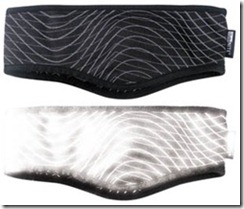
Every day, runners are injured by careless motorists, so it is vital for runners to stay clearly visible; we carry the very effective and attractive IllumiNITE series of reflective high visibility running wear. While one solution is to wear a bright orange cap, IllumiNITE combines good styling with sensible protection. The thin reflective fibers in the hat and headband blend in with the fashionable colors of the hat fabric, but reflect boldly when a headlight shines in its direction. An IllumiNITE ballcap or headband can be the perfect gift for the runner who is reluctant to wear safety gear for esthetic reasons.

t3d Running Pack-2T

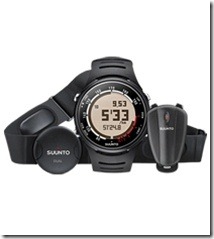
For the advanced runner, sometimes equipment can help you learn how to best improve your running by tracking your times, heartbeat, and pacing in an objective way. Sheepleg carries the Suunto Runner’s Pack, which incorporates a heart rate monitor, a pace- and distance-tracking footpod, and a watch that wirelessly monitors information from the two devices to help keep you in the zone. Sheepleg also carries the Garmin 405 GPS runner’s watch, which accurately measures and displays your run and incline information and allows you to upload the information to your PC for reviewing your run afterward.

Any runner will love to receive gifts like these, as well as Smartwool socks, gloves, beanies, and clothes to keep the cold at bay this winter, and other gift ideas we offer at Sheepleg.

25 November 2010

Aquamira Frontier Pro Water Filter

Aquamira Frontier Filter Pro-2

The old traditional debate for campers, hikers, and backpackers, and even lightweight travellers, when it comes to water filtration usually comes down to somewhat heavy pumps for those who can’t stand the taste of chlorine or iodine, and those light but pungent chlorine or iodine tabs. Recently, Aquamira entered a new lightweight champ into the ring: The Aquarmira Frontier Pro Water Filter.

Weighing in at a scant 2 ounces and about the size of a mini maglite, the Frontier Pro has no moving parts that can fail like filters can, and is extremely simple to use. On the mouthpiece end is a tethered cap to keep the bite valve clean and clear of debris when not in use. It’s tethered, so you can’t loose the cap. On the other end is a 28mm threaded connector, which allows it to screw onto most standard water bottle openings and Platypus hydration bag openings. The filter will also connect with most hydration bag tube systems, such as Platypus or Camelbak, so that you can filter water stored in the bladder in your pack. The system will also allow you to drink directly from a water source, using the Frontier Pro like a straw. In practice, it will probably be best to use a plastic bottle to collect water for use with the Frontier Pro since filling bladders from a water source can be difficult, and the water in the bladder can be potentially contaminated.

The Frontier Pro lightweight water filter contains replaceable prefilters (replacements included) that help to strain out the larger debris from the water, extending the life of the 3 micron porous filter and the activated carbon inside. The filter will remove 99.9% of cryptosporidium and giardia and improves the taste. The medium also incorporates Miraguard, which protects against the growth of mold, mildew, and bacteria. The Frontier Pro can also be paired with chlorine dioxide tablets to provide extra protection against waterborne viruses in areas where such conditions are prevalent. Aside from hiking use, the Frontier Pro can provide a traveller extra piece of mind while taking up very little space in a carry-on bag when visiting areas with questionable water quality.

24 November 2010

SnugPak Travelpak Series: Perfect for Hiking and Travel


One of the lesser known brands of equipment we’re proud to offer at Sheepleg is SnugPak, a lightweight sleeping bag manufacturer popular in the UK but more difficult to obtain in the US. SnugPak makes very lightweight, efficient, affordable, and extremely compact sleeping bags constructed of top-notch high tech fabrics and insulators like Paratex, Pertex, Tactel, and their own Travelsoft insulation.

The series I’m most excited about as a lightweight backpacker is the Travelpak line, which includes three styles of bag, the Travelpak Lite, the Travelpak Extreme, and the Travelpak Traveller.

The Travelpak Lite is a mummy bag that weighs a feathery 29 oz and keeps you comfortable down to 49 degrees or an extreme 36 degrees, making it perfect for summer use and shoulder season use and in tropical climates. It packs down to a the size of a fat loaf of fancy artisan bread using the included compression stuff sack.

The Travelpak Extreme weighs 39 oz but keeps you cozy at 36 and takes you bravely down to 27 degrees. The TravelPak Extreme squeezes down to two fancy loaves using the included stuff sack.

The Travelpak Traveller is an extremely interesting bag aimed squarely at backpackers who travel and spend nights in hotels and hostels or even friendly couches, where it can be nice to have a little clean bag to keep the bed bugs and other creepy crawlies away: it has a very clever no-seeum bug netting that can zip over the head opening of the bag to protect against mosquitoes and other nuisances. It is a great bag for summer and shoulder season outdoor use, acting as a light bug-proof bivy bag on clear and starry nights and is great for use under a tarp. As a hotel or hostel bag, you can either zip it up as a rectangular bag or unzip it to lay it flat as a blanket. This bag squeezes down to the size of a fat loaf of multigrain bread using the included stuff sack.

Light My Fire Lunch Boxes and Meal Kits


Anybody’s who has had the pleasure of using Light My Fire’s ingeniously designed spork which combines a full, functional spoon on one end, and a real, noodle-grabbing fork on the other end, knows that Light My Fire clearly thinks outside the box.
Speaking of boxes, you might want to give some thought as to what you’ll be eating your lunch out of when you’re out there in the great outdoors. Sure, for the committed thru-hiker, eating right out of the dehy bag is fine dining, but getting your family and kids to follow suit may not be as appetizing. That’s where the Light My Fire Meal Kits and Lunchboxes come in.
The Lunchbox is a rounded triangular shape made of durable and heat-resistant polypropylene, you can’t cook with it obviously, but it handles boiling water for your dehy meals, ramen noodles, or oatmeal packets just fine. The Lunchbox is available alone, or forms the basis of the Meal Kit which adds a clever spill-proof cup, a waterproof sealable container, a cutting board with integrated strainer holes, and the legendary spork which all nest together inside the lunchbox.
The Light My Fire Meal Kit comes with everything you need to turn your roughing it experience into a fine dining experience for those more inclined to appreciate such things. An optional harness straps the Meal Kit together and has an integrated biner to attach to your pack, and the tiny spicebox allows you to bring three of your favorite spices along with you to add a little zest to your picnic.
What is your favorite outdoor meal or piece of camp cookware?

Smartwool: Nature’s High Tech Fabric


We’ve all heard the outdoor truism, “Cotton kills,” and if you haven’t, well, let me tell you, there are better fabrics to wear outdoors than your Katy Perry fan tee and your old blue jeans. Have you ever had the misfortune of stepping in a puddle and getting your jeans wet? Did they dry, ever?
Seriously, there are better fabrics out there to wear in the wilderness where wet clothes and a stiff breeze can make you food for worms. Synthetics like polyester, polypro, and nylon are all excellent choices for technical clothing. They help block the wind and dry quickly, wicking moisture away from your skin to keep you comfortable when you’re playing Blackjack with mother nature.
Each synthetic has it’s drawbacks. Firstly, they’re all synthetics, made from petroleum by-products, and that’s ultimately bad for the environment. Polyester absorbs odors—it’s why your gym shorts smell like gym shorts (not to mention your contribution). Nylon doesn’t readily absorb odors but can harbor fungal growths. And all three melt when burned, causing severe burns on the skin they get shrunk-wrapped on your buttocks.
What if there was a natural material that didn’t absorb odors, breathes, provides good insulation, and is naturally fire-retardant? There is, and it’s wool. But this isn’t your grandpa’s itchy service sweater, I’m talking about superfine, very comfortable merino wool. The very fine, smooth finish of merino wools like those used by Smartwool keeps you dry and comfortable through a variety of environments because it breathes while creating a layer of tiny pockets to trap heat in when it’s cold and release it when it’s warm. The natural lanolin in wool keeps the fibers from absorbing your ferocious B.O. Wool insulates well when wet, and dries more quickly than cotton.
These properties make Smartwool perfect for socks, pants, underwear, and shirts, hats, and gloves that can perform all year long from hot to cool. Using Smartwool as a baselayer is one of the wisest investments you can make due to it’s versatility and performance. Is wool a part of your wilderness wardrobe?

Patagonia NanoPuff Pullovers and Jackets


As they say in the old jacket-control debate, “the best jacket is the one you have on you,” and with Patagonia’s Nano Puff series, there’s just no excuse to carry a jacket with you at all times. Patagonia took the handy pocket multitool and said, “what if this could turn into a puffy pullover or jacket, instead?” The products in the Nano Puff series are highly compressible and stow in their own chest pockets, forming a small pouch that you can slip in a pack bottle pocket or, using the built-in carabiner, clip to a pack strap. The Nano Puff is insulated with 60g Prima Loft One insulation and comes treated with DWR water resistant protection, keeping you warm even if the insulation gets wet. Think of all those days you went out a little under dressed for the weather, you can always be prepared with a Nano Puff at your side. The Nano Puffs are available from Sheepleg in a half-zip pullover (just over 10 oz) and a full zip jacket (just over 12 oz, or 10.6 oz for women). Think of that hike through the mountains that had you sweating wearing that slinky cosplay outfit, but when you stopped to take facebook photos at the summit, it was windy and cold, so cold, all your photos came out blurry. That’s just embarrassing. With the lightweight, super-packable Nano Puff, you can safely pack heat at all times.

Outdoor Essentials


Sheepleg wants you to be prepared for your outdoor adventures. In any outing, there are some gear considerations you should consider essential to face situations you are likely to encounter should things turn from the ideal.

  • Navigation: you’ll need to know where you’re going and how to get back. Carrying a GPS can be very handy, but it’s a much better idea to also have a map and a compass just in case the batteries on your GPS die. Unless you are going on a short day hike, forget using your iphone’s GPS for navigation; the battery will likely get you deep into the back country and sputter on the way out. If you insist on using the ‘App for That’, consider carrying a rechargeable battery to keep your device running.
  • Sun protection: sunglasses, sunblock, sun protective clothing, and a wide-brim hat can keep the sun from crisping your skin.
  • Firestarting: if you get lost or have to sit out unexpected bad weather, a fire can be a definite life saver. Have the means to reliably start a fire in wet conditions, and know how to do it. The FireSteel or Blastmatch are simple, sure-fire ways to uh, start a fire.
  • Insulation: dress in layers, so you can adjust your insulation level to match the weather conditions. Sure, you could wear that giant coat your mother gave you for school, but there’s a lot of temperature variations between subzero temperature the coat is good for and the 90-degree temperature that your Justin Bieber cotton belly tee underneath is good for. Wearing a wool or synthetic base layer, topped by an insulated layer of fleece, polypro, or wool, topped by a water-resistant synthetic layer provides a much more flexible system to deal with weather. If it’s not windy or raining, shed the jacket. If you’re still sweating, shed the insulating layer. If you’re still hot, please, do us a favor, and keep your shirt on, Bubba.
  • Shelter: If you’re lost, you might have to spend some time regaining your bearings or getting rescued. That usually goes better if you have a decent shelter to keep the elements at bay. If you’re backpacking, a tent, a tarp-tent, or a simple tarp will keep the rain off you. If your day-hiking, and don’t want the weight of a tent, you should still carry something like a Thermolite E-bivy to fend off hypothermia on an unexpected overnight.
  • Food: Sure, you can make it for days without food. If you plan on being comatose through the whole harrowing ordeal. If you want to stay conscious, considering carrying some lightweight dehydrated meals (to save the weight of carrying cans of Dinty Moore in your pack) and some energy bars.
  • Water: Water is heavy, and until someone figures out how to dehydrate it into a powder, it’s going to stay that way. The best approach is to carry a little water and a filter or tablets to treat water you come across. Otherwise, your going to have to carry enough water for the duration of your trip.
  • Signalling: If you’re in need of rescue, make it easier to be seen with simple signalling devices. A signal mirror is easy to use, lightweight, uses no power, and can be seen for miles. A whistle carries much further than your terrified screams and won’t lead to laryngitis. Many headlamps include emergency strobe modes to save power while being visible for miles, this one includes a safety whistle on the headband. A cell phone can be handy, assuming (often a big assumption if you’re hiking somewhere you can hear dueling banjoes playing in the distance) you’re hiking where there is signal. A SPOT device can transmit your location to rescue personnel or to family members quickly and easily.

Have you had any harrowing experiences in the wilderness you’d like to share with us? Leave us a comment below.